Understanding Mastercard’s New Scam Monitoring Requirements
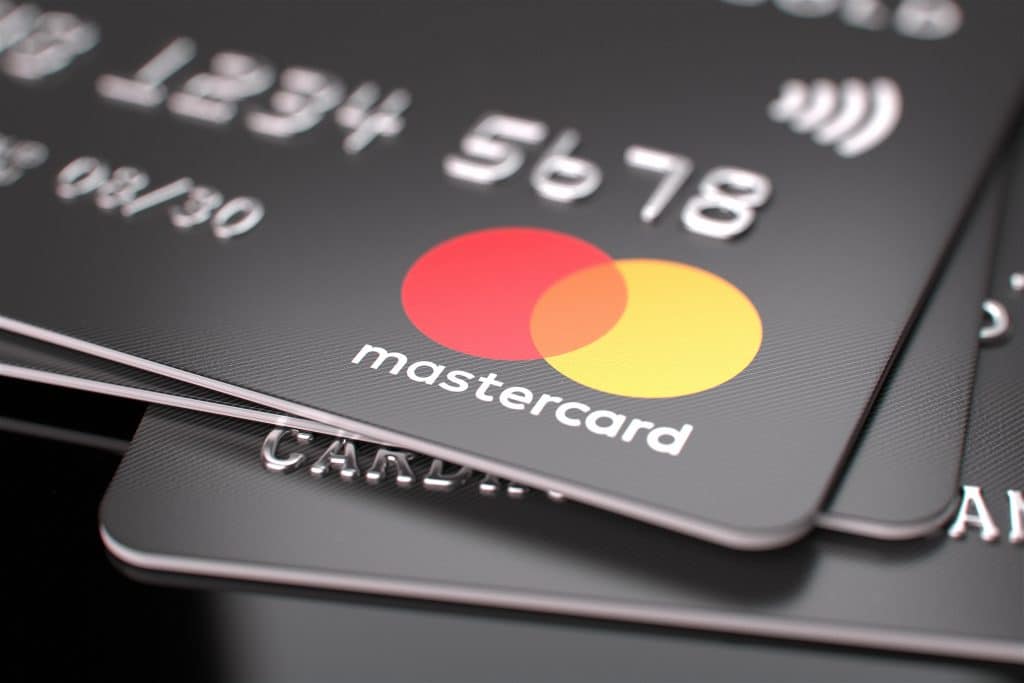
As fraud and scam activity continue to evolve across the payments ecosystem, Mastercard is introducing enhanced monitoring standards designed to help identify and prevent scam-related merchant activity before it can cause significant harm to consumers, issuers, and the payments industry.
Effective July 24, 2026, Mastercard will require acquiring banks, payment processors, and payment facilitators to implement additional monitoring and investigation procedures for merchants that exhibit characteristics commonly associated with scam activity.
Why Is Mastercard Making These Changes?
The payments industry has experienced a growing number of scams that can be difficult to detect through traditional fraud monitoring methods. While many businesses operate responsibly, scammers often use legitimate-looking websites, advertisements, and payment acceptance channels to deceive consumers.
Mastercard’s revised standards are intended to strengthen oversight, improve consumer protection, and ensure that acquiring institutions can quickly identify potentially harmful activity before it impacts larger numbers of cardholders.
What Is a “Potential Scam Merchant”?
A scam merchant is generally a business that uses deceptive practices to persuade consumers to make purchases, subscriptions, investments, or other payments under false or misleading circumstances.
Examples may include:
- Misleading subscription offers
- Investment or cryptocurrency scams
- Fake product or service websites
- Deceptive trial offers
- Businesses using false advertising or misrepresentation to obtain payments
The new standards focus on identifying unusual transaction behavior that may indicate these types of activities.
What Will Processors and Banks Be Monitoring?
Mastercard already requires ongoing merchant monitoring, but the revised standards introduce additional triggers that may require a formal investigation.
Some examples include:
- Sudden increases in chargebacks or refund activity
- Significant drops in authorization approval rates
- Reports from card issuers indicating potential scam activity
- Alerts from approved monitoring services
- Transaction activity that appears inconsistent with the merchant’s stated business model
For newly boarded merchants, special attention will be given to refund and chargeback activity during the first six months of processing.
What Does This Mean for Merchants?
For legitimate businesses, these changes should have minimal operational impact.
However, merchants should be prepared to provide additional information if unusual activity is detected. This may include:
- Clarification regarding business practices
- Marketing materials and advertisements
- Customer service procedures
- Refund policies
- Evidence supporting product or service delivery
Maintaining transparent business practices and responding promptly to information requests can help avoid unnecessary disruptions.
Best Practices for Merchants
To minimize risk and maintain a healthy processing relationship, merchants should:
- Clearly disclose products, pricing, and subscription terms
- Maintain responsive customer service channels
- Process refunds promptly when appropriate
- Monitor chargeback activity closely
- Ensure advertising accurately reflects products and services offered
- Review website disclosures and terms regularly
Merchants with strong operational controls and transparent customer communications are generally far less likely to encounter issues under Mastercard’s monitoring programs.
Viking’s Commitment to Compliance and Merchant Success
At Viking, we continuously monitor regulatory and card brand developments to help protect both our merchants and sponsoring financial institutions.
Our compliance, underwriting, and risk teams work closely with merchants to identify potential concerns early, provide guidance when needed, and ensure that businesses remain aligned with Mastercard and Visa requirements.
These new standards represent another step toward creating a safer and more trustworthy payments ecosystem for merchants, consumers, processors, and financial institutions alike.
If you have questions regarding Mastercard’s revised scam merchant monitoring requirements or how they may impact your business, please contact your Viking representative today.entation, our team is ready to assist. reach out to your Viking representative today.
June 2, 2026

About Robert Hollifield
He is an accomplished director with 15 years of experience in underwriting, risk management, and compliance in the payments space. He specializes in high-risk merchant oversight, regulatory adherence, and improving end-to-end payment processes to ensure secure, reliable operations. He received his BS from the University of New Hampshire.