
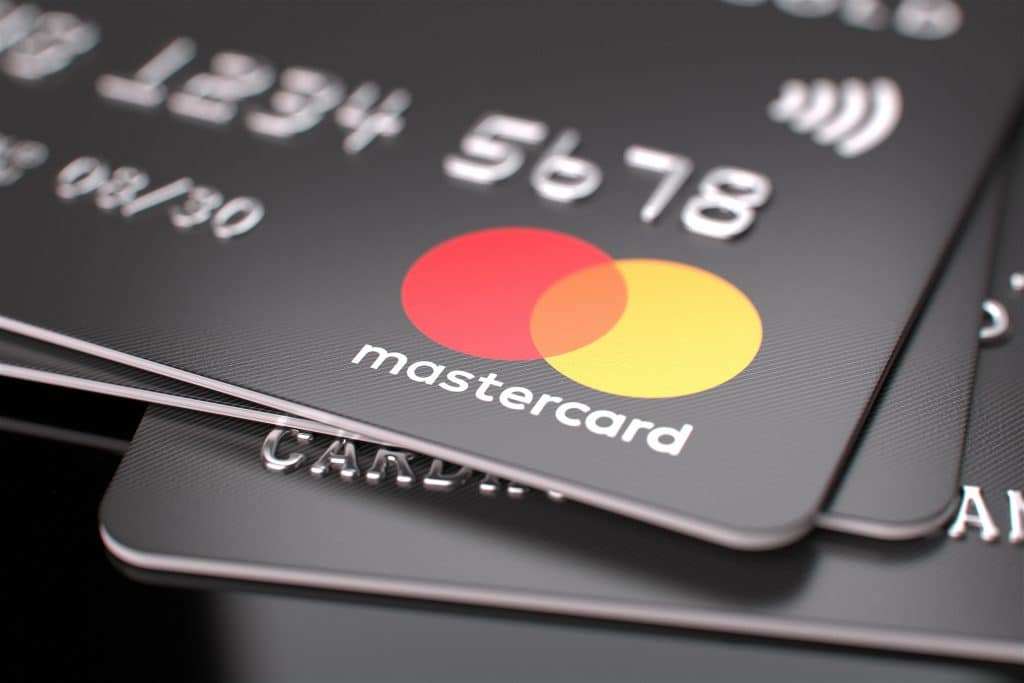
Understanding Mastercard’s New Scam Monitoring Requirements

Understanding Mastercard’s New Scam
Monitoring Requirements

As fraud and scam activity continue to evolve across the payments ecosystem, Mastercard is introducing enhanced monitoring standards designed to help identify and prevent scam-related merchant activity before it can cause significant harm to consumers, issuers, and the payments industry.

Effective July 24, 2026, Mastercard will require acquiring banks, payment processors, and payment facilitators to implement additional monitoring and investigation procedures for merchants that exhibit characteristics commonly associated with scam activity.

The payments industry has experienced a growing number of scams that can be difficult to detect through traditional fraud monitoring methods. While many businesses operate responsibly, scammers often use legitimate-looking websites, advertisements, and payment acceptance channels to deceive consumers.

Mastercard’s revised standards are intended to strengthen oversight, improve consumer protection, and ensure that acquiring institutions can quickly identify potentially harmful activity before it impacts larger numbers of cardholders.

A scam merchant is generally a business that uses deceptive practices to persuade consumers to make purchases, subscriptions, investments, or other payments under false or misleading circumstances.

Examples may include:

  • Misleading subscription offers
  • Investment or cryptocurrency scams
  • Fake product or service websites
  • Deceptive trial offers
  • Businesses using false advertising or misrepresentation to obtain payments

The new standards focus on identifying unusual transaction behavior that may indicate these types of activities.

Mastercard already requires ongoing merchant monitoring, but the revised standards introduce additional triggers that may require a formal investigation.

Some examples include:

  • Sudden increases in chargebacks or refund activity
  • Significant drops in authorization approval rates
  • Reports from card issuers indicating potential scam activity
  • Alerts from approved monitoring services
  • Transaction activity that appears inconsistent with the merchant’s stated business model

For newly boarded merchants, special attention will be given to refund and chargeback activity during the first six months of processing.

For legitimate businesses, these changes should have minimal operational impact.

However, merchants should be prepared to provide additional information if unusual activity is detected. This may include:

  • Clarification regarding business practices
  • Marketing materials and advertisements
  • Customer service procedures
  • Refund policies
  • Evidence supporting product or service delivery

Maintaining transparent business practices and responding promptly to information requests can help avoid unnecessary disruptions.

To minimize risk and maintain a healthy processing relationship, merchants should:

  • Clearly disclose products, pricing, and subscription terms
  • Maintain responsive customer service channels
  • Process refunds promptly when appropriate
  • Monitor chargeback activity closely
  • Ensure advertising accurately reflects products and services offered
  • Review website disclosures and terms regularly

Merchants with strong operational controls and transparent customer communications are generally far less likely to encounter issues under Mastercard’s monitoring programs.

At Viking, we continuously monitor regulatory and card brand developments to help protect both our merchants and sponsoring financial institutions.

Our compliance, underwriting, and risk teams work closely with merchants to identify potential concerns early, provide guidance when needed, and ensure that businesses remain aligned with Mastercard and Visa requirements.

These new standards represent another step toward creating a safer and more trustworthy payments ecosystem for merchants, consumers, processors, and financial institutions alike.

If you have questions regarding Mastercard’s revised scam merchant monitoring requirements or how they may impact your business, please contact your Viking representative today.entation, our team is ready to assist. reach out to your Viking representative today.

June 2, 2026

About Robert Hollifield

He is an accomplished director with 15 years of experience in underwriting, risk management, and compliance in the payments space. He specializes in high-risk merchant oversight, regulatory adherence, and improving end-to-end payment processes to ensure secure, reliable operations. He received his BS from the University of New Hampshire.

Bigger Possibilities Await.

Contact Us


Read More

Common ACH Audit Findings

Common ACH Audit Findings
and How to Stay Compliant

Every year, businesses that originate ACH transactions are subject to an ACH audit, as required by the NACHA Operating Rules. While many audits go smoothly, there are a handful of recurring issues that pop up year after year. Some are simple, others potentially serious. Whether you’re preparing for an upcoming audit or looking to tighten up your existing ACH practices, understanding these common findings is a smart place to start.

Below are some of the most frequent ACH audit findings, along with insights and recommendations for how to avoid them:

Chapter 56 of the NACHA Rules covers the audit requirements that every ACH Originator and Third-Party Sender must follow. It requires an annual audit to ensure compliance with the NACHA Operating Rules and recommends documentation for each key function. Failure to perform this audit or maintain documentation can result in non-compliance findings.

Tip: Make sure your audit is performed annually by a qualified party and that you retain clear documentation of the audit scope, findings, and corrective actions taken.

NACHA requires that each company maintain and annually review its contact information in NACHA’s database. This ensures that your organization can be contacted in the event of a network or transaction issue.  [When working with Viking, this information is located on Schedule E of your ACH Origination Agreement]

Tip: Set a calendar reminder to review and update your NACHA contact list every 12 months.

The Risk Assessment is more than a formality. NACHA expects a formal risk assessment document that includes risk ratings for each threat and control in your ACH process.

Tip: Document not only risks, but also the impact, likelihood, and controls in place. Assign risk levels to each category, such as Low, Medium, or High.

Improper use of Standard Entry Class (SEC) Codes, such as using PPD instead of WEB for internet-authorized transactions, is a frequent finding.

Tip: Confirm that every transaction is being coded appropriately. For example:
• PPD: Prearranged payment and deposit (consumer, pre-authorized)
• WEB: Consumer-initiated internet or mobile transactions
• TEL: Telephone-initiated

Originators are required to have signed agreements with all parties involved in ACH transactions, including clear authorization language and responsibilities.

Tip: Review your agreements annually and ensure all parties are documented and acknowledged in writing.

When a financial institution issues a Notice of Change, you’re required to update your records before the next transaction or within six banking days, whichever comes first.

Tip: Assign ownership of NOC monitoring and include this step in your daily ACH processing checklist.

ACH returns must be processed quickly and accurately. A delay in responding to unauthorized debits or incorrect return coding is a compliance risk.

If a payment is reinitiated due to insufficient funds, NACHA rules require the word “RETRY PYMT” in the Company Entry Description field. Without it, the transaction could be flagged as unauthorized.

Tip: Automate the insertion of “RETRY PYMT” into all reinitiated NSF entries to ensure compliance.

Many businesses fail to create or test a formal Business Continuity Plan for ACH operations, which is a NACHA expectation.

Tip: Draft a documented plan outlining how ACH processing will continue in the event of a disruption. Test it annually and keep logs of those tests.

The Electronic Funds Transfer Act (Regulation E) requires specific consumer disclosures, such as dispute rights and liability limits. These must appear on account statements or statement backers.

Tip: Review your Reg E disclosures annually and confirm that consumers receive them through appropriate channels.

Many merchant agreements and consumer-facing Terms and Conditions lack clear language about ACH authorization, dispute procedures, and usage of recurring entries.

Tip: Add a section to your Terms and Conditions that explains how ACH transactions are authorized and handled. Include clear consent language.

Being prepared for your next ACH audit starts with awareness. These common findings don’t just reflect compliance oversights, they point to real operational risks that could lead to fines, returns, or customer dissatisfaction.

Want help tightening up your ACH processes? Reach out to your Viking representative today.

June 22, 2025

About Tracey Gibson

She is an accomplished compliance executive with extensive experience in overseeing and managing compliance functions and initiatives of an organization. She has expertise in ensuring organizations comply with regulatory requirements and brings a strong background in ethical business practice, risk management, privacy, employee management and customer service.

Bigger Possibilities Await.

Contact Us


Read More